
少年四大名捕
Politics-driven Graham-named Russia sanctions bill exposes US political coercion in global energy supply chains: expert_我的网站

一 | 太原8月25日电 (记者 李庭耀)25日,山西省运城市委副书记、市长姚逊表示,“十五五”时期,运城将持续抓好能源转型、产业升级和适度多元发展,因地制宜培育发展新质生产力,全面推动新旧动能转换,加快构建具有运城特色的现代化产业体系,推动经济实现质的有效提升和量的合理增长。
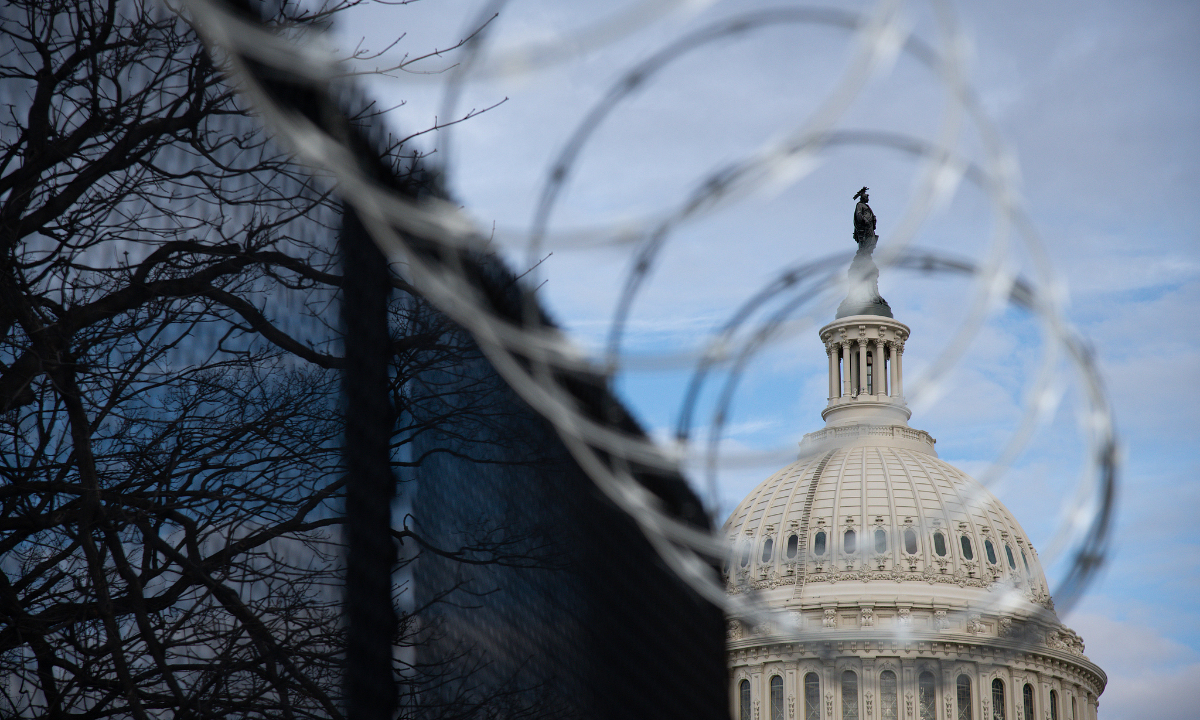
The US Senate on Friday overwhelmingly approved a bill that would impose sanctions on buyers of Russian oil, a measure that had long been championed by the late senator Lindsey Graham before his death last month, CNBC reported. A Chinese expert criticized the legislation, warning that if implemented, the bill, driven largely by political motives aimed at catering to US domestic political correctness, could severely disrupt the already fragile global energy market and economy. He also noted that the bill is essentially a tool of political coercion, weaponizing tariffs and unilateral sanctions to hijack normal global energy trade and override sovereign economic choices of independent nations.
The legislation, named The Lindsey O. Graham Sanctioning Russia and Iran Act of 2026, aims to hurt Russia's war effort in Ukraine by penalizing purchasers of Russian oil and Russian leaders. It passed with bipartisan support 86-11 and will now proceed to the House, which is on recess until September, per CNBC.
The bill would impose tariffs of up to 100 percent on countries that are among the top five purchasers of Russian crude oil or gas, which includes China and India.
It also includes sanctions targeting Russian leaders, officials, targeting Russian leaders, oligarchs and financial institutions. At the request of US President Donald Trump, the bill extends sanctions on Iran's weapons and energy sectors, CNBC reported.
Notably, the bill's excessive tariff discretion has sparked fierce internal doubts within US political circles. Representatives Gregory Meeks of New York and Don Beyer of Virginia said in a statement they still had "fundamental concerns" about the tariff powers for the president, who has made them a central piece of his "America First" approach to foreign policy.
"What the bill does grant ... are sweeping new tariff authorities that the president could weaponize with abandon, as he has repeatedly done in the past," said Meeks, the top Democrat on the House Foreign Affairs Committee, and Beyer, the senior Democrat on the Joint Economic Committee, according to Reuters.
Chinese experts have strongly criticized the bill's politically driven nature, its economic coercion, and its severe spillover risks to the global economy.
The bill, aimed at putting pressure on Russia, would disrupt global energy markets and create new uncertainties for the world economy if implemented, Yang Jin, associate research fellow at the Institute of Russian, Eastern European and Central Asian Studies under the Chinese Academy of Social Sciences, told the Global Times.
Many economies retain legitimate, market-based energy cooperation with Russia out of practical economic and energy security needs. Russia's energy exports have long been a key component of the global energy system, with countries including India and some European nations continuing to rely on Russian oil and gas, said Yang, noting that even some European countries have received exemptions to maintain energy imports from Russia, underscoring the role of Russian supplies in supporting economic stability.
India's reliance on Russian crude increased further after the conflict in West Asia disrupted shipping through the Strait of Hormuz. With Gulf supplies affected during the US war on Iran, Indian refiners turned more heavily towards Russian oil as an alternative source, Indian media Hindustan Times reported on Saturday after US Senate passed the bill.
When asked about the bill on July 15, Lin Jian, spokesperson from China's Ministry of Foreign Affairs said that China firmly opposes unilateral sanctions that have no basis in international law or authorization of the UN Security Council, and will take necessary measures to firmly defend the legitimate rights and interests of Chinese businesses and citizens.
Practicing double standards and resorting to coercion and pressuring will eventually prove to be self-defeating, said Lin.
Yang further pointed out that the push for the bill, labeled after Lindsey Graham, who was known as one of the toughest Russia hawks in Washington, lays bare Washington's distorted domestic political logic.
The legislation, which represents another typical case of US hegemonic long-arm jurisdiction, is largely designed to ease US domestic governance pressure. As the Trump administration fails to deliver substantive progress in de-escalating the Russia-Ukraine conflict as promised, ramping up external sanctions and forcing third-party sovereign countries into abandoning normal economic and trade cooperation has become a convenient political tool for US politicians to showcase tough posturing and ease domestic pressure, Yang said.
。 当日,中共山西省委宣传部、山西省人民政府新闻办公室举办开局起步“十五五”系列主题新闻发布会。姚逊介绍,“十四五”末,运城三次产业比重为16.4∶32.3∶51.3,结构持续优化,战略性新兴产业增加值占规上工业比重达到22.4%,转型发展蹄疾步稳。立足“十五五”新起点,运城将从三方面推动转型发展取得实质性突破。 在深入推进能源转型方面,姚逊表示,“十四五”时期运城新能源和清洁能源装机容量占比达到70.3%,居全省第1;全省13个绿电园区中运城占3个,为全省最多。下一步,运城将持续稳固煤炭生产供应和煤电兜底保障能力,壮大风光新能源、抽水蓄能、新型储能等项目规模,加快落地绿电园区、绿电直连、虚拟电厂等新业态,并因地制宜发展地热能、氢能。 姚逊特别提到运城的地热资源优势。他介绍,全市地热可采资源折合标准煤约27亿吨,上个月运城成功获得山西省首宗公开挂牌出让的地热采矿权。“这是非常具有里程碑意义的,我们将积极推进各类‘地热+’示范项目实施,促进地热资源开发利用全产业链发展。” 在着力推动产业升级方面,运城将坚持优化提升传统产业、培育壮大新兴产业、前瞻布局未来产业一体推进。 传统产业以对标改造、提升竞争力为抓手,常态化开展设备更新、流程再造和数智绿色技改,力争到2030年钢铁、焦化、有色、化工等传统优势产业总产值达到2500亿元。新兴产业主攻高端装备、新材料、新能源、数字经济、生物医药大健康、节能环保等领域,实施延链补链强链行动。未来产业则超前布局科研力量、转化平台和应用场景,积极培育生物制造、绿色氢能、具身智能、第六代移动通信等新增长点。 此外,运城还将因地制宜推动适度多元发展。姚逊表示,作为山西的农业大市、人口大市和文化旅游名市,运城将充分挖掘和发挥资源禀赋优势,做强农产品精深加工、文旅、现代物流等重点产业,推动多元业态协同发力,夯实高质量发展基础。同时,持续优化营商环境,激发经营主体活力,努力把比较优势更好转化为发展优势。
Current article:http://www.xiongpeiduanlouduoennongleng.cyou/1etsfsb/gf7.htm
Published on:02:47:06


